
In recent years, “natural hair relaxers” have gained popularity as a safer alternative to traditional chemical relaxers. Marketed as gentle, plant-based, and non-toxic, these products promise straighter, more manageable hair without the harsh side effects. But are natural relaxers truly safe, or is there more to the story?
Let’s break down what natural hair relaxers really are, how they work, and the real dangers they may pose to both your hair and your health.
What Are Natural Hair Relaxers?
Unlike traditional relaxers that use strong chemicals like sodium hydroxide (lye) or calcium hydroxide (no-lye), so-called natural relaxers often rely on ingredients such as:
✔ Coconut milk
✔ Aloe vera
✔ Honey
✔ Lemon juice
✔ Vinegar
✔ Shea butter
✔ -Oils and herbal blends
Some are DIY mixtures, while others are commercially sold products labeled as “organic,” “herbal,” or “chemical-free.”
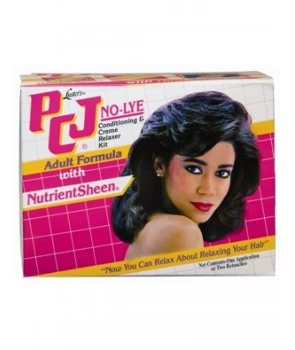
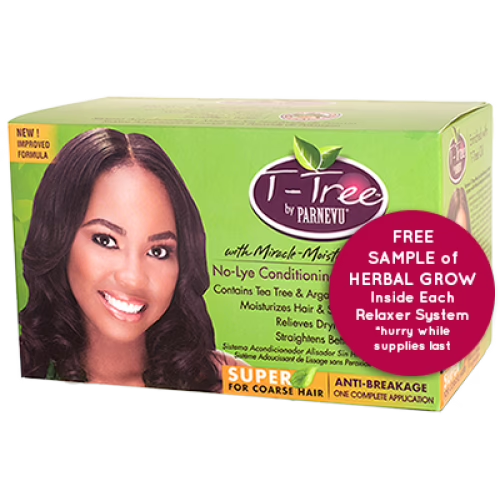
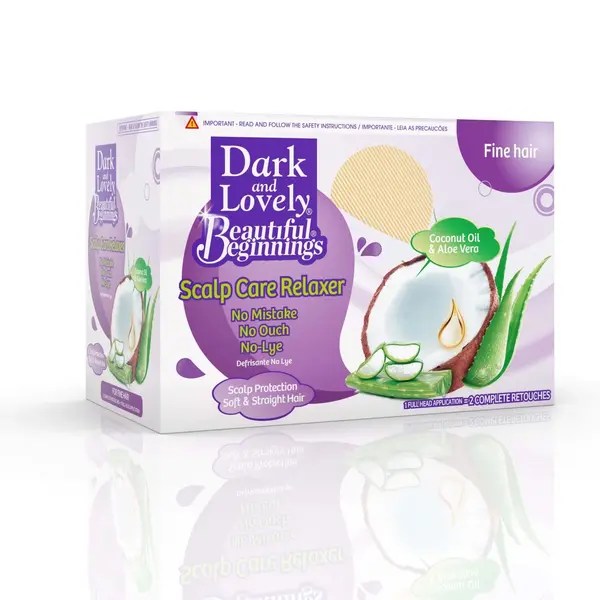
The key thing to understand is this: no product can permanently relax tightly coiled hair without altering the hair’s natural structure. That alteration—chemical or not—comes with risks.
The Hair Damage You’re Not Told About
Even natural ingredients can weaken hair when used to straighten it.
1. Structural Damage
Many natural relaxers work by softening or swelling the hair cuticle, temporarily loosening curls. Acidic ingredients like lemon juice or vinegar can disrupt the hair’s pH balance, making strands more prone to breakage, dryness, and split ends over time.
2. False Expectations
Natural relaxers do not permanently straighten hair. Repeated applications to “maintain” straightness can lead to over-manipulation, thinning edges, and uneven curl patterns.
3. Scalp Irritation
Just because something is natural doesn’t mean it’s gentle. Lemon juice, essential oils, and certain herbs can cause:
✔ Burning or itching
✔ Contact dermatitis
✔ Inflammation of the scalp
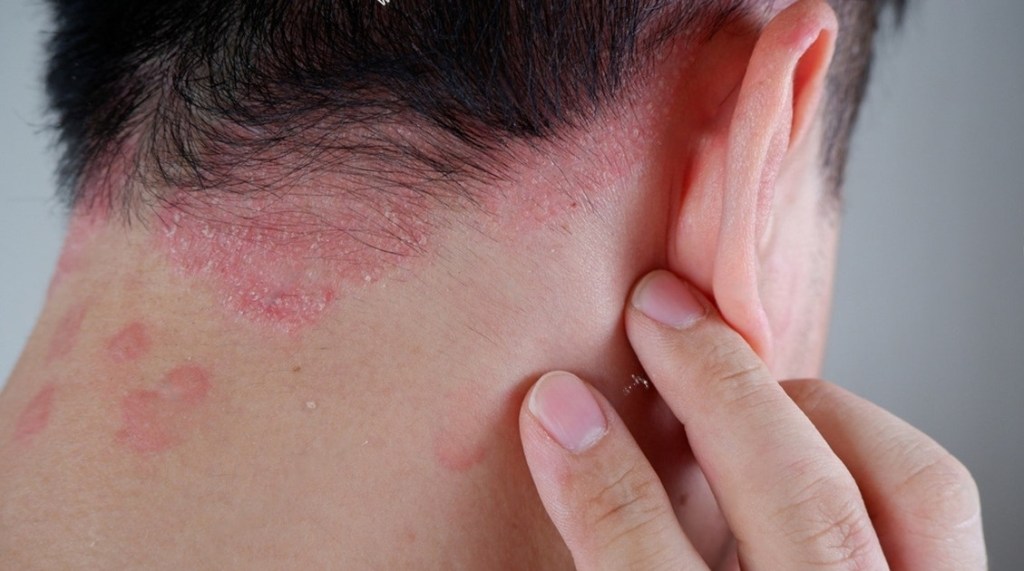

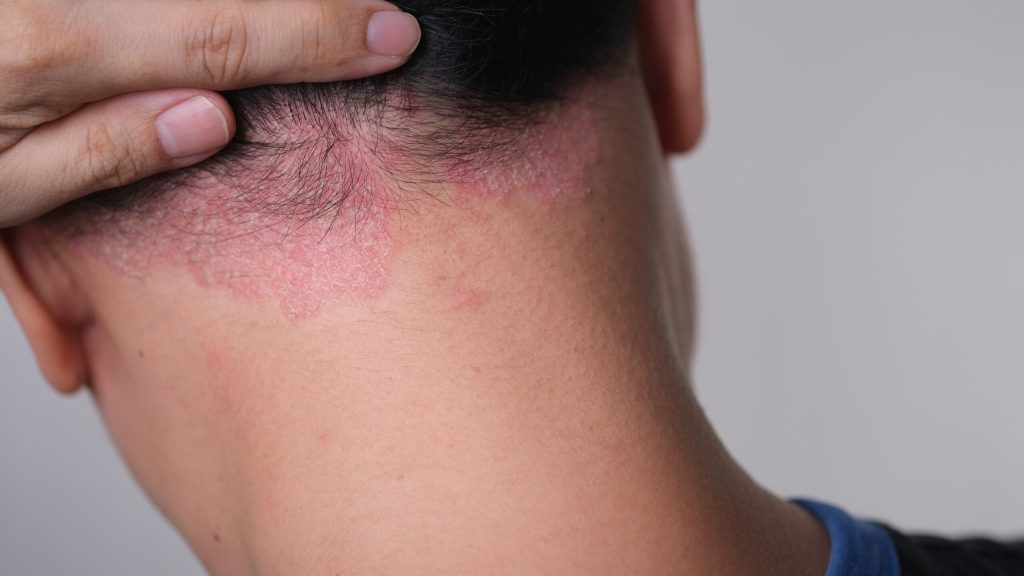
A damaged scalp can directly affect healthy hair growth.
The Bigger Concern: Health Risks
While natural relaxers are often safer than traditional chemical relaxers, the conversation around relaxers and health deserves honesty.
Hormonal Disruption Concerns
Research has raised concerns about long-term use of hair-straightening products—particularly those marketed to women—being linked to hormonal imbalance. Even some “natural” or “clean” products may contain undisclosed fragrances or preservatives that act as endocrine disruptors.
Absorption Through the Scalp
The scalp is highly absorbent. Repeated exposure to any irritating or acidic substance can increase the likelihood of chemicals—or natural compounds—entering the bloodstream, especially if the scalp is already irritated or broken.
Lack of Regulation
Many natural hair products are not strictly regulated. Labels can be misleading, and “natural” does not always mean non-toxic or safe for long-term use.
The Emotional and Cultural Impact
Beyond physical health, there’s another danger worth acknowledging: the pressure to alter natural hair textures.
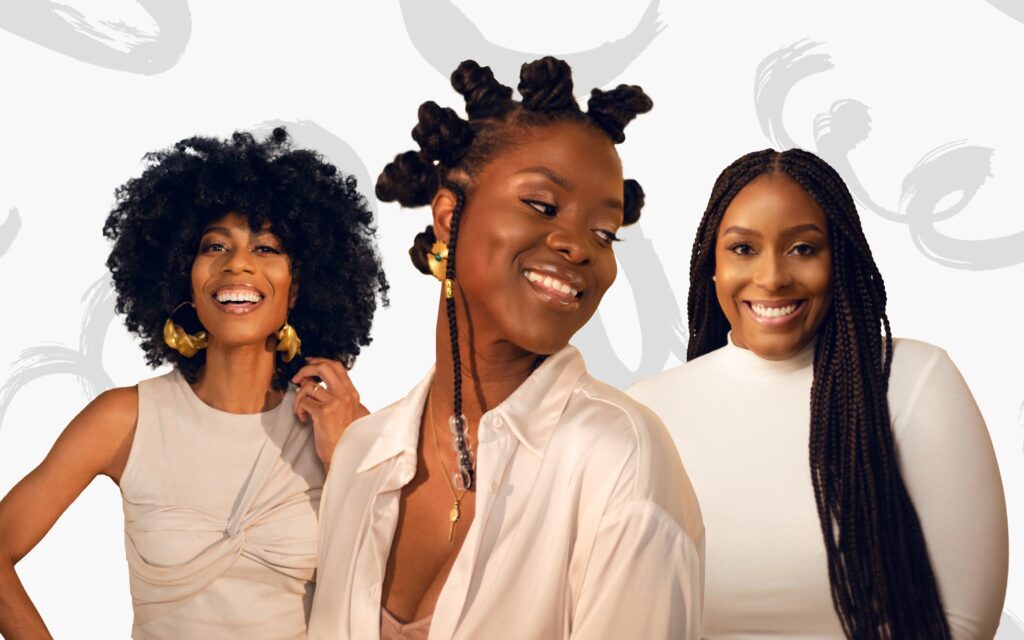
Many people turn to relaxers—natural or chemical—due to societal beauty standards rather than personal preference. This can lead to:
✔ Texture shame
✔ Constant dissatisfaction with natural hair
✔ Long-term hair damage in pursuit of “manageability”
✔ Choosing to straighten your hair is a personal decision—but it should be an informed one, not driven by misinformation or unrealistic promises.
Healthier Alternatives to Consider
If your goal is manageability rather than permanent straightening, safer options include:
✔ Heat styling in moderation with proper heat protection
✔ Stretching methods like banding or twist-out
✔ Professional silk presses done responsibly
✔Embracing protective styles that don’t alter hair structure
Most importantly, learning your hair’s natural needs—moisture, protein balance, gentle handling—will always give better results than any relaxer.
Final Thoughts
The real danger of natural hair relaxers isn’t just breakage or irritation—it’s the belief that “natural” automatically means harmless. Any product or method that changes your hair’s natural structure carries risk.
Healthy hair starts with honest education, realistic expectations, and respect for your body. Whether you choose to straighten your hair or wear it in its natural state, the safest choice is an informed one.
Your hair isn’t the problem—misinformation is.
 Oh My Naps...