
Vitamin D is one of those nutrients we hear about all the time—but many of us still forget to take it seriously. Often called the “sunshine vitamin,” vitamin D plays a much bigger role in your body than you might realize. From your bones to your mood, it quietly supports many essential functions. And when you don’t get enough of it, your body definitely feels the difference.
So here’s your gentle reminder: TAKE YOUR VITAMIN D! Let’s talk about why it’s so important, what it does for your body, and what happens when you’re deficient.
Why Vitamin D Is So Important
Vitamin D is a fat-soluble vitamin that your body can produce when your skin is exposed to sunlight. However, modern lifestyles—working indoors, using sunscreen, living in polluted cities, or limited sun exposure—make deficiency very common.
Vitamin D acts more like a hormone than a regular vitamin. It helps regulate multiple systems in the body, making it essential for overall health and long-term wellness.
What Vitamin D Does for Your Body
1. Strengthens Bones and Teeth
Vitamin D helps your body absorb calcium and phosphorus—two minerals crucial for strong bones and teeth. Without enough vitamin D, your bones can become thin, brittle, or misshapen over time.
2. Supports a Healthy Immune System
Vitamin D plays a key role in immune defense. Adequate levels help your body fight infections and may reduce the risk of frequent colds, flu, and other illnesses.
3. Improves Mood and Mental Health
Low vitamin D levels have been linked to mood disorders such as depression and anxiety. Many people notice better energy levels and improved mood when their vitamin D levels are balanced.
4. Supports Muscle Strength
Vitamin D helps maintain muscle function and strength, reducing the risk of weakness, cramps, and even falls—especially as you age.
5. Helps Reduce Inflammation
Vitamin D has anti-inflammatory properties that support overall health and may help reduce chronic inflammation in the body.
6. Supports Heart Health
Research suggests vitamin D may play a role in regulating blood pressure and supporting cardiovascular health.
What Happens When You Don’t Get Enough Vitamin D?
Vitamin D deficiency is more common than most people think—and its symptoms are often subtle at first.
Common Signs of Low Vitamin D:
✔ Constant fatigue or low energy
✔ Frequent illness or infections
✔ Bone pain or back pain
✔ Muscle weakness or cramps
✔ Low mood or depression
✔ Hair thinning
✔ Slow wound healing
Long-Term Effects of Deficiency:
✔ Osteoporosis or weak bones
✔ Increased risk of fractures
✔ Weakened immune system
✔ Higher risk of chronic conditions
✔Increased risk of mood disorders
In children, severe deficiency can lead to rickets, while in adults it can cause osteomalacia—both conditions that weaken bones significantly.
How to Get Enough Vitamin D
- Sunlight: 10–30 minutes of sunlight a few times a week (depending on skin tone and location)
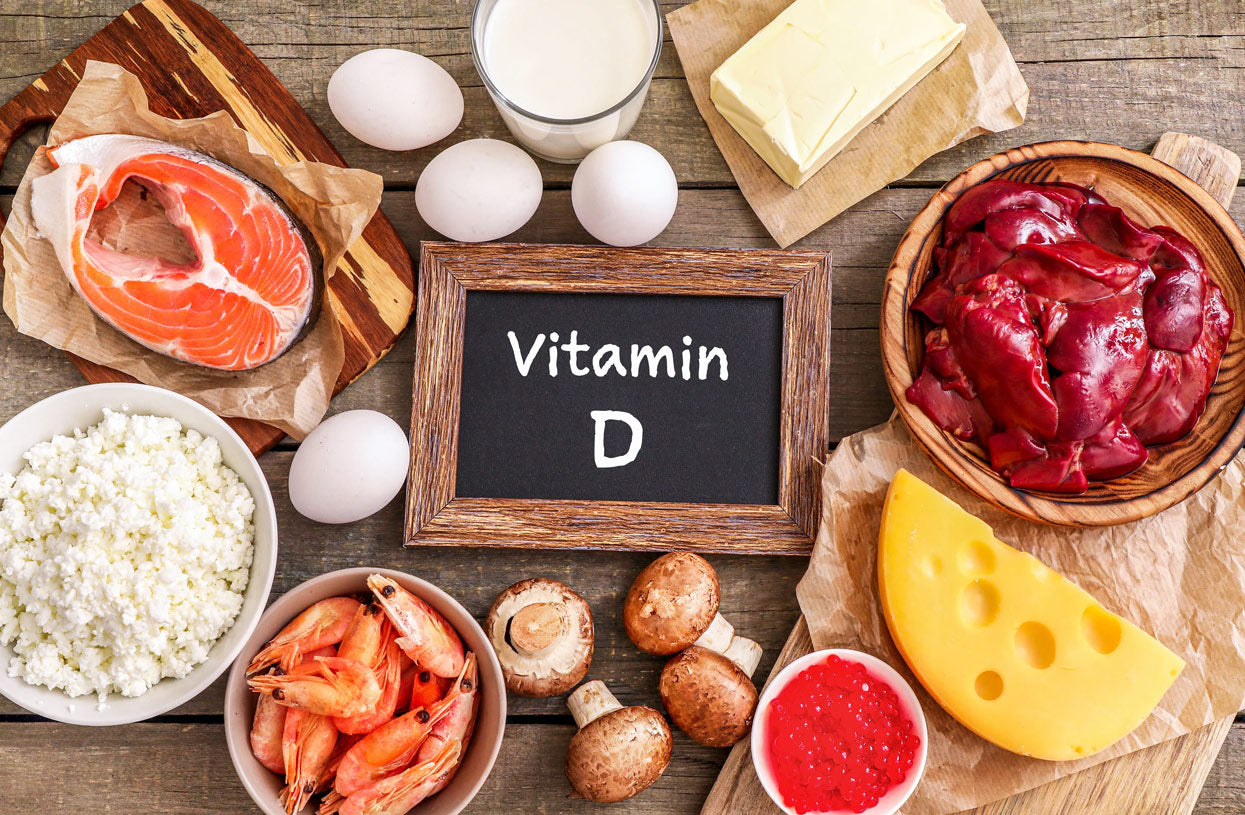
- Food Sources: Fatty fish (salmon, tuna), egg yolks, fortified milk, cereals, and orange juice
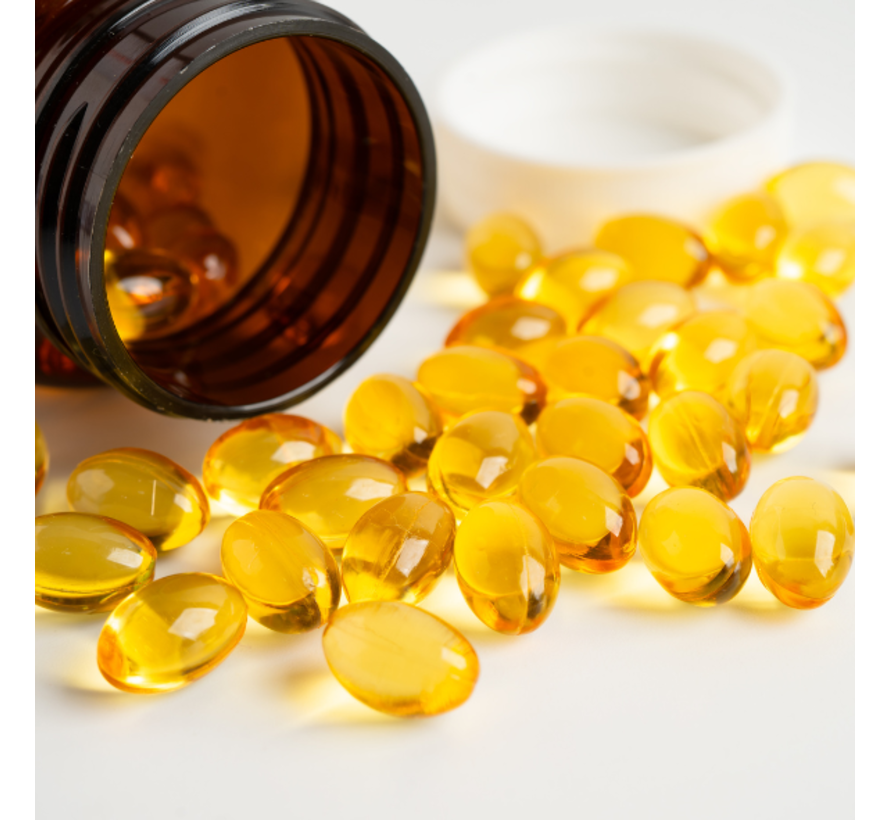
- Supplements: Often necessary, especially if you live in low-sun areas or spend most of your time indoors (always follow medical advice)
One Last Note
Vitamin D might be easy to overlook, but its impact on your health is powerful. It supports your bones, immune system, muscles, mood, and overall well-being. Deficiency doesn’t always scream, it whispers through fatigue, low mood, and frequent illness.
So this is just another reminder to take your vitamin D—a small daily habit that can make a big difference in how you feel, move, and live
 Oh My Naps...