
Hair loss and thinning hairlines can feel emotional and frustrating, especially when your hair is a big part of your identity and confidence. The truth is, hair thinning is extremely common. Men and women of all ages experience it, and the causes can range from genetics to stress to nutrition.
The good news? Once you understand what may be happening, you can take steps to support a healthier scalp, stronger hair, and in some cases… regrowth.
Let’s break it down.
What Does “Thinning Hairline” or Hair Loss Mean?
Hair loss can show up in different ways:
# A thinning or receding hairline
# Overall thinning across the scalp
# Patchy shedding
# Breakage at the edges
# Increased hair fall during washing or styling
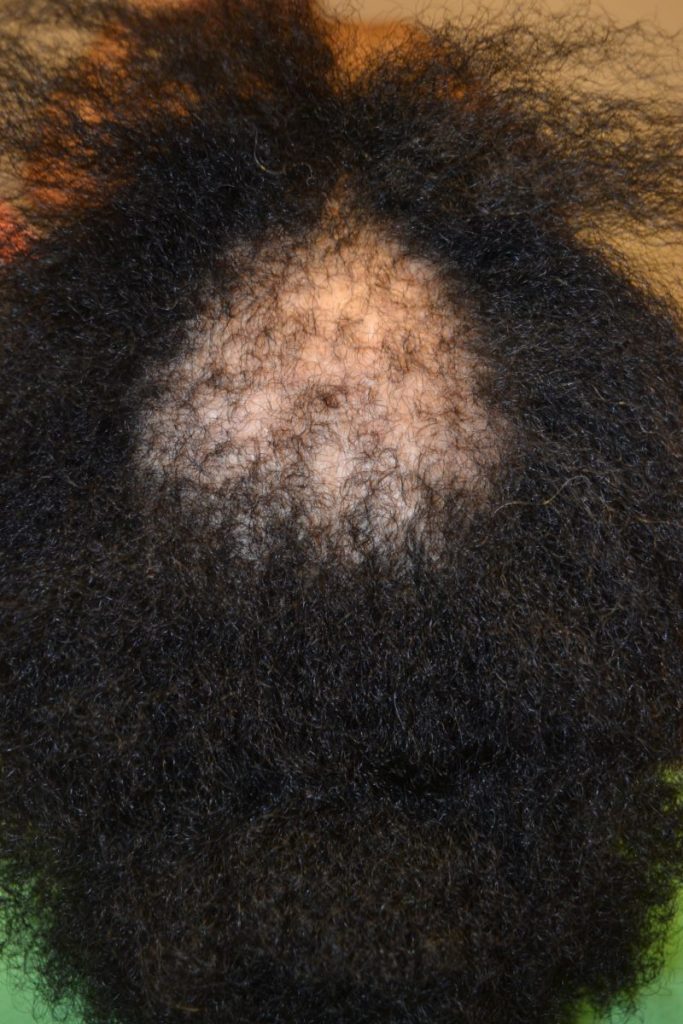
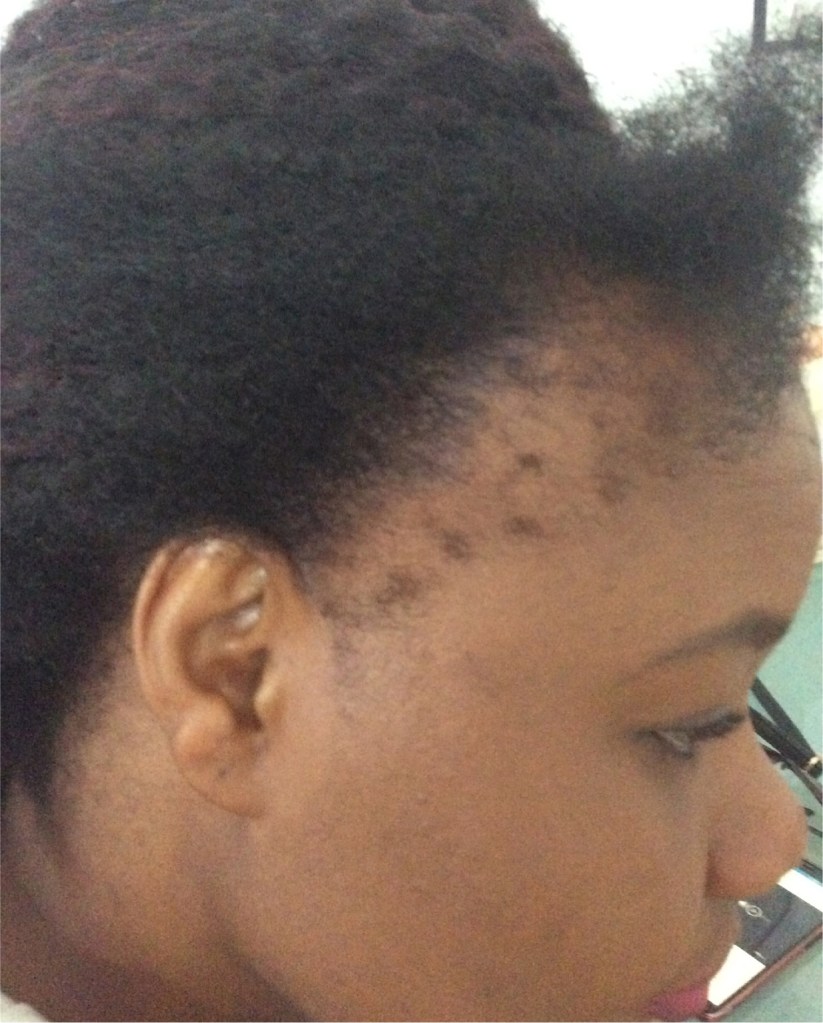
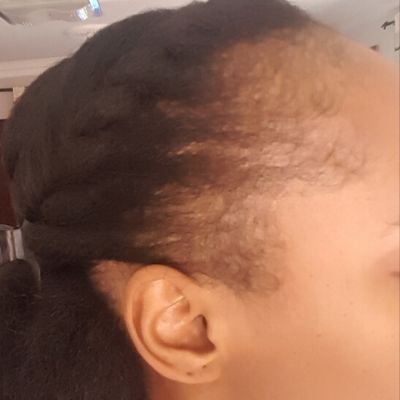
Sometimes the loss is temporary. Other times, it may be genetic or hormonal. Understanding the cause is key to choosing the right approach.
Common Causes of Hair Loss & Thinning Hairlines
1. Genetics (Hereditary Hair Loss):
This is one of the most common causes. Male or female pattern thinning often develops gradually over time.
2. Tight Hairstyles & Tension:
Styles like tight ponytails, braids, or glued wigs can cause traction alopecia, especially around the hairline.
3. Stress & Hormonal Changes:
Life events, postpartum changes, illness, or chronic stress may trigger temporary shedding.
4. Nutritional Deficiencies:
Low iron, protein, or certain vitamins can weaken hair.
5. Medical Conditions:
Thyroid disorders, scalp infections, autoimmune conditions, or medications may contribute.
6. Chemical Damage & Overprocessing:
Relaxers, dyes, heat, and harsh treatments can weaken follicles and hair strands.
If hair loss is sudden, severe, or ongoing — it’s always best to see a doctor or dermatologist to rule out medical causes.
What Can You Do About Hair Loss?
✔ Be Gentle With Your Hair
# Avoid tight styles
# Limit heat
# Use protective styles that don’t pull
# Reduce harsh chemicals
# Edges and hairlines are delicate — treat them with care.
✔ Care For Your Scalp
A healthy scalp supports healthy growth.
Cleanse regularly, moisturize, and massage gently to stimulate circulation.
✔ Manage Stress Where You Can
Mindfulness, exercise, and rest all support overall health — including hair.
✔ Consider Professional Guidance
Dermatologists and trichologists can check for hormonal, nutritional, or medical causes.
✔ Be Patient
Hair grows slowly — about ½ inch per month on average. Progress takes time.
How Diet Supports Hair Health
Your hair needs nutrients just like the rest of your body. When you’re not eating enough or missing key vitamins, your body may prioritize essential organs over hair production.

Key nutrients that support healthy hair include:
Protein
Hair is made mostly of keratin — a protein. Not getting enough protein may weaken hair.
Foods to enjoy:
# Eggs
# Fish
# Beans
# Lean meats
# Nuts
Iron
Low iron levels are linked to hair thinning — especially in women.
Sources include:
# Spinach
# Lentils
# Red meat
# Beans
Healthy Fats
Omega-3s help support scalp and hair health.
Great options:
# Salmon
# Walnuts
# Chia seeds
# Avocado
Vitamins A, C & E
These support healthy cell function and scalp circulation.
Biotin & B-Vitamins
B-vitamins help carry oxygen to hair follicles.
Supplements should be discussed with a healthcare provider — especially if you suspect a deficiency.
And don’t forget:
Hydration = Happy Hair
Water supports every cell in your body — including those in your scalp.
Can Diet Alone Regrow Hair?
Diet can support healthy growth, especially if hair loss is linked to nutritional imbalance. But if your hair loss is genetic or medical, food alone may not reverse it. That said, nourishing your body always helps your hair look and feel its best.
Think of diet as part of a holistic approach, along with scalp care, gentle styling, and professional evaluation when needed.
Be Kind to Yourself During the Process
Hair thinning can feel deeply personal, but you are not alone. Many people experience it, and there are ways to support your scalp, your health, and your confidence.
Celebrate your journey. Care for your body. And remember:
Healthy hair begins with a healthy foundation — inside and out.
 Oh My Naps...