

In a world grappling with climate change, overconsumption, and environmental degradation, fashion has found itself at a crossroads. Once synonymous with excess and waste, the industry is undergoing a much-needed transformation—and technology is at the heart of it.
From AI-assisted design to biodegradable fabrics created in labs, the intersection of fashion and innovation is producing something truly remarkable: sustainability. Here’s how technology is rewriting the rules of fashion, making style not only smarter but kinder to the planet.
AI-Powered Design = Less Waste
One of the most exciting shifts in fashion is happening long before a garment hits the runway. Designers and brands are now using artificial intelligence to forecast trends, plan collections, and simulate design ideas—reducing the number of physical samples and unsold inventory.

- Predictive analytics allow brands to know what consumers will want before they make it.
- 3D design software like CLO and Browzwear enables virtual prototyping, cutting down on sample waste.
Instead of making ten versions of a garment, companies can now create one virtual model—and get it right the first time.
Digital Fashion = Zero Footprint
It sounds futuristic, but digital fashion is already here. Virtual clothing—designed to be worn in the metaverse, social media, or augmented reality—requires no fabric, water, dye, or transportation.
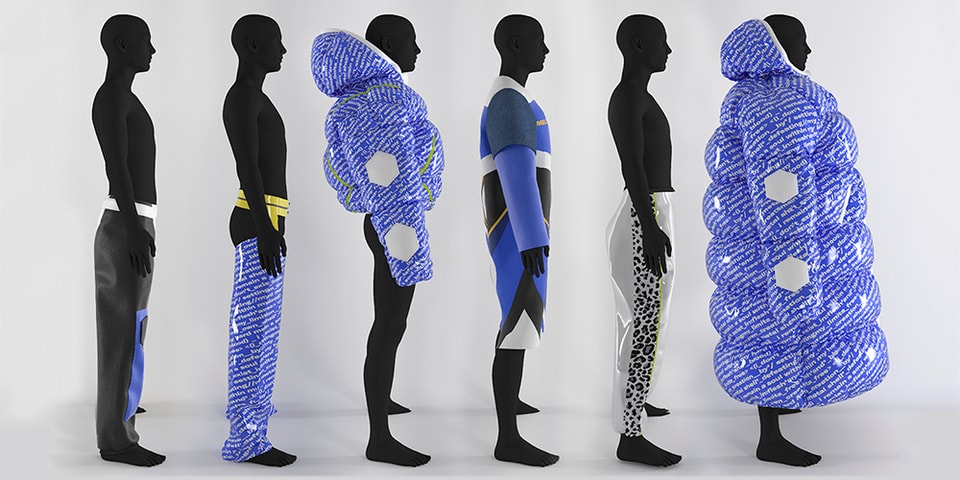
- Consumers can “wear” outfits in photos without ever producing them physically.
- Some luxury brands are selling NFT-based fashion items with collectible or tradable value.
While this doesn’t replace everyday wear, it challenges the idea that clothing must always be physical to have value or expression.
Smart Textiles & Sustainable Materials
Technology is also revolutionizing what we wear. Scientists are developing eco-friendly fabrics using everything from pineapple leaves (Piñatex) to mushrooms (Mylo) and algae-based fibers.
Some examples:
Meanwhile, smart textiles can monitor body temperature, resist stains naturally, or self-repair—making clothes last longer and reducing the need to replace them often.
- Bolt Threads’ mushroom leather mimics the texture of animal hide without the environmental impact.
- Colorifix uses microorganisms instead of toxic dyes for fabric coloring—saving water and cutting chemical use.
Blockchain and Supply Chain Transparency
Ever wondered where your clothes really come from? Blockchain technology is making it possible to trace every step of a garment’s journey—from cotton field to storefront.
- Brands like Provenance and Everledger are using blockchain to authenticate ethical sourcing.
- Consumers can scan a QR code to see details about materials, workers’ rights, and carbon footprint.
This kind of traceability helps build trust and holds brands accountable to their sustainability promises.

Circular Fashion Systems
Technology is also enabling the rise of circular fashion—where clothes are designed to be reused, recycled, or resold.
- Platforms like ThredUp and The RealReal use machine learning to price, sort, and manage massive inventories of secondhand clothing.
- RFID tagging and digital IDs are helping brands launch take-back programs, rental services, or resale markets for their own items.
This keeps garments out of landfills and extends their lifecycle dramatically.
Fashion’s Future Is Smart and Sustainable
The fashion industry is often criticized for its environmental toll—but with the help of technology, it’s rewriting its story.
What we’re seeing is not just a trend, but a paradigm shift. From how clothing is made to how it’s worn and recycled, every aspect of fashion is being reimagined for the digital age. It’s no longer a choice between style and sustainability—they’re becoming one and the same.

As consumers, the choices we make today—supporting brands that embrace innovation, asking questions about supply chains, or even experimenting with digital fashion—can shape the industry of tomorrow.
Because the future of fashion isn’t just about looking good. It’s about doing good, too.
What are your thoughts about AI in the fashion industry, drop your comment below.
 Oh My Naps...