
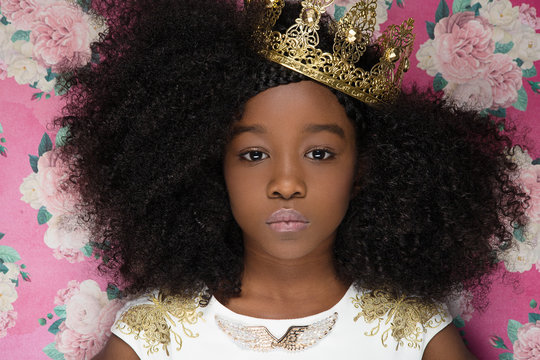
For generations, Afro hair has been more than just texture — it’s a symbol of identity, pride, and heritage. From tight coils to soft kinks, every strand tells a story that goes beyond beauty standards and embraces something deeper: authenticity.
Today, natural Afro hair is finally being recognized, celebrated, and reclaimed for what it is — a crown of resilience and beauty. Whether you’re deep into your natural hair journey or just beginning to transition, this blog is your space to explore, learn, and love every curl, coil, and kink.
What is Natural Afro Hair?
Natural Afro hair refers to hair that hasn’t been chemically altered with relaxers or texturizers. It’s worn in its natural, tightly coiled or kinky state — often ranging from curl types 3C to 4C. Afro hair is incredibly diverse, with each pattern responding differently to products, care routines, and styles.
But beyond the curl pattern lies something even more powerful — cultural heritage.
Afro hair has historically been a target of discrimination, particularly in professional or institutional settings. Today, embracing your natural texture is also a form of self-love and defiance against Eurocentric beauty norms.

Common Myths About Afro Hair — Debunked!
- “Afro hair doesn’t grow.”
False. Afro-textured hair grows just like any other hair type — about half an inch per month. The issue is usually breakage, not lack of growth. - “It’s unprofessional.”
Afro hair is professional. Period. Your natural hair is not a distraction — it’s part of your identity, and professional spaces must learn to respect that. - “It’s too hard to manage.”
Afro hair isn’t hard to manage — it just requires the right routine and products that suit your hair’s unique needs.
Loving Your Hair Starts with Care
Here are a few natural hair care essentials to help you build a sustainable, effective routine:
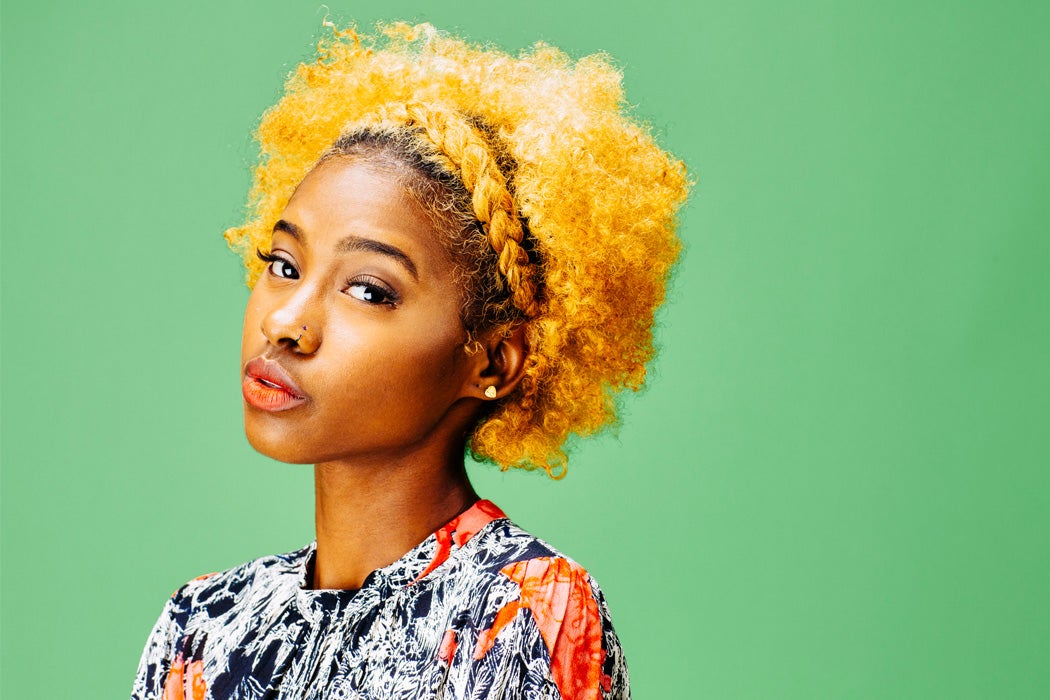
Moisture is Everything
Afro hair tends to be dry because its coils make it harder for natural oils to travel down the hair shaft. Use leave-in conditioners, water-based moisturizers, and seal in hydration with oils like jojoba or castor oil.
Gentle Detangling
Always detangle with your fingers or a wide-tooth comb when your hair is damp and saturated with conditioner. Never detangle dry unless you want to fight with breakage!
Protective Styling
Styles like twists, braids, or bantu knots help reduce manipulation and retain length. Just don’t forget to keep your scalp moisturized while your hair is tucked away.
Scalp Health = Hair Health
A healthy scalp means healthy growth. Use a gentle cleanser (sulfate-free shampoos), and massage your scalp to stimulate blood flow.
The Bigger Picture: Afro Hair and Empowerment

Wearing your natural hair is more than a style choice — it’s a statement. It challenges beauty standards, reclaims history, and uplifts culture.
Movements like the CROWN Act (Creating a Respectful and Open World for Natural Hair) are pushing legal protections against hair discrimination. Meanwhile, on social media, creators and stylists are redefining what beauty looks like — one curl at a time.
Your hair is not “difficult.” It is not “too much.” It is exactly as it was meant to be — bold, soft, strong, and full of life.
So whether you’re rocking a big Afro, a twist-out, protective styles, or a TWA (teeny weeny afro), know this: your hair is your power. And you don’t have to change it to fit in — the world is slowly learning to catch up.
Let’s keep the conversation going — what do you love most about your natural hair? Drop a comment below, and don’t forget to share this with someone embracing their natural crown!
 Oh My Naps...