
In the world of personal care, hairdryers are a staple. They help us achieve our desired hairstyles and are an essential part of many people’s daily routines. However, recent revelations about asbestos contamination in some hairdryers have raised serious concerns about the safety of these common devices. Together with The Mesothelioma Center, we want to raise some awareness on this issue.

What is Asbestos?
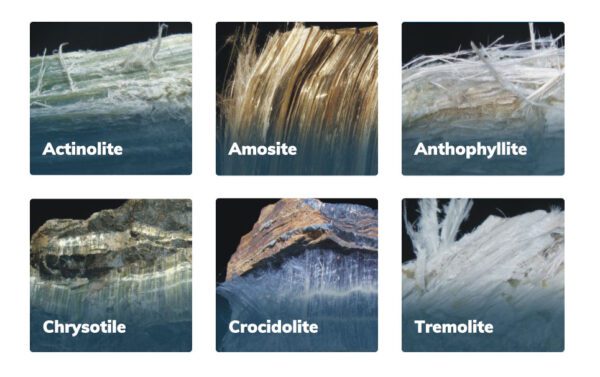
Asbestos is a naturally occurring mineral composed of thin, fibrous crystals. It was once widely used in various industries due to its resistance to heat, electricity, and chemical damage, as well as its sound absorption capabilities. However, it is now well-known that asbestos exposure can lead to severe health problems, including lung cancer, mesothelioma, and asbestosis. The danger lies in inhaling asbestos fibers, which can become lodged in the lungs and cause long-term damage.
Asbestos in Hairdryers: A Hidden Threat
The discovery of asbestos in hairdryers is very concerning because these devices blow air directly onto users’ hair and faces, potentially dispersing asbestos fibers into the air. The contamination often stems from the heat-resistant components within the hairdryer, such as insulation materials.

How Did This Happen?
Many older hairdryers were manufactured with parts containing asbestos because of its effective insulating properties. Even though the use of asbestos has significantly declined and is heavily regulated in many countries, some older models are still in use, or second-hand purchases might contain this dangerous material. Moreover, there have been instances where manufacturers in countries with less stringent regulations have produced hairdryers with asbestos-containing parts.
Health Risks
The primary risk associated with asbestos in hairdryers is the potential for inhaling fibers. Once inhaled, asbestos fibers can cause:
- Asbestosis: A chronic lung disease causing scarring of lung tissue.
- Mesothelioma: A rare and aggressive cancer that affects the lining of the lungs, chest cavity, or abdomen.
- Lung Cancer: Increased risk of lung cancer is a major concern, especially for individuals with prolonged exposure.
What You Can Do
If you own a hairdryer and are concerned about potential asbestos contamination, here are steps you can take:
- Check the Model and Manufacturer: Research the make and model of your hairdryer. Look for any recalls or warnings issued by the manufacturer. Older models are more likely to contain asbestos.
- Inspect for Safety Labels: Modern hairdryers should have safety certifications and labels indicating they meet current safety standards. If your device lacks these, it might be worth investigating further.
- Consider Replacement: If your hairdryer is particularly old or if you cannot verify its safety, consider replacing it with a newer model from a reputable brand that complies with safety regulations.
- Stay Informed: Keep up to date with consumer safety news. Organizations like the Consumer Product Safety Commission (CPSC) frequently issue alerts and recalls for products found to be hazardous.
- Professional Testing: If you have a strong reason to believe your hairdryer may contain asbestos, consider having it tested by a professional. This process can confirm the presence of asbestos and help you take appropriate action.
The discovery of asbestos in hairdryers serves as a stark reminder of the hidden dangers that can lurk in everyday products. By staying informed and taking proactive measures, consumers can protect themselves and their families from potential health risks. It’s crucial to prioritize safety and be vigilant about the products we use daily. After all, our health and well-being are worth the extra effort.
 Oh My Naps...